Terroir - de Baguer

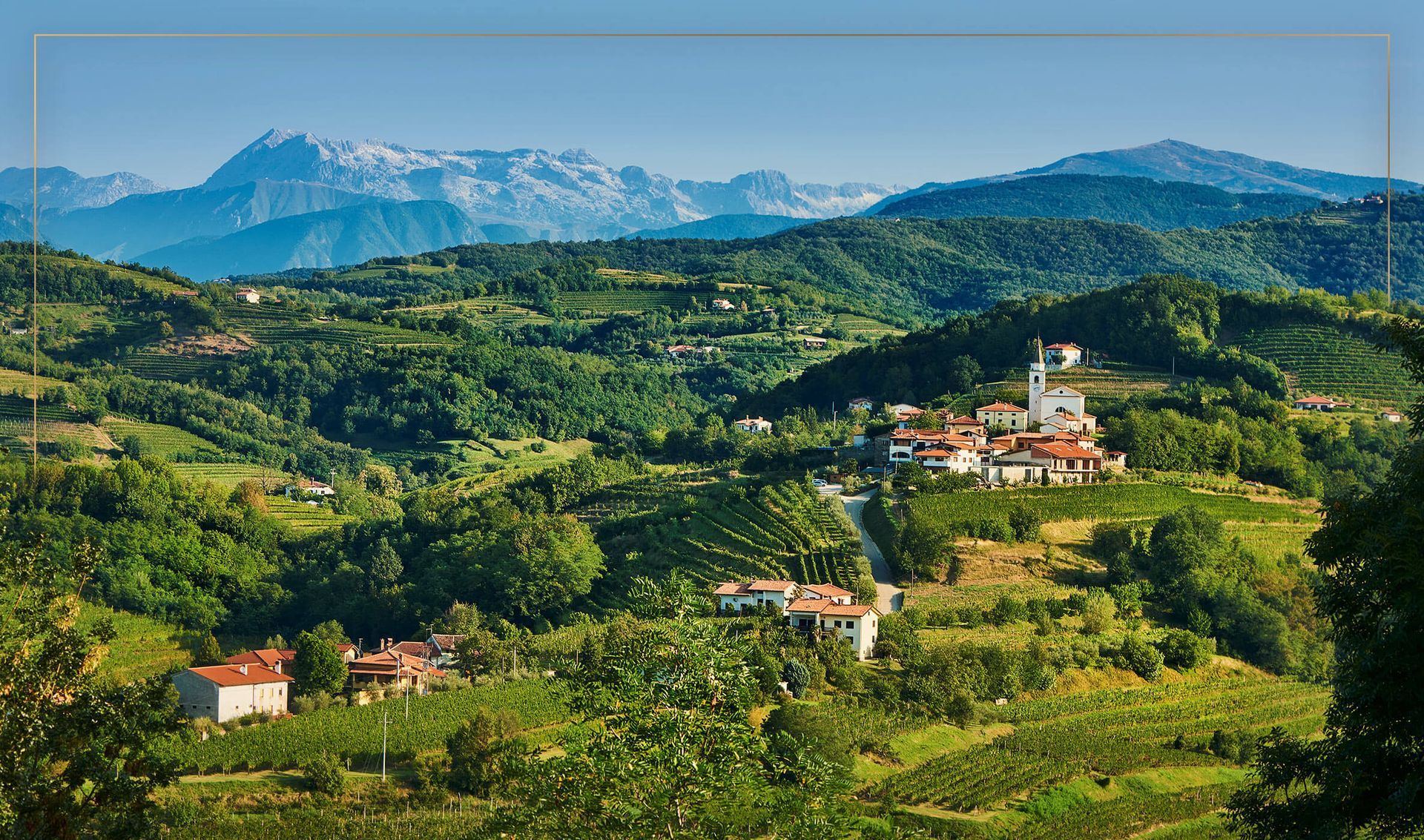
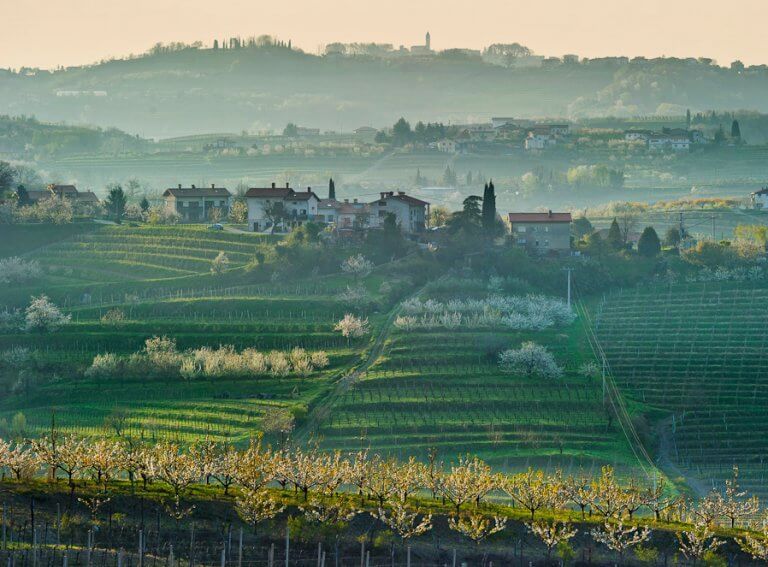
Viticulture has played a prominent role in Brda since the Middle Ages, although its origins date back as early as Roman times. Above the village of Golo Brdo, some Vitis vinifera grape seeds were found, suggesting that vines may have been present even before the Romans arrived. More than two thousand years of viticulture in Brda indicate that this is an exceptional region for growing vines.

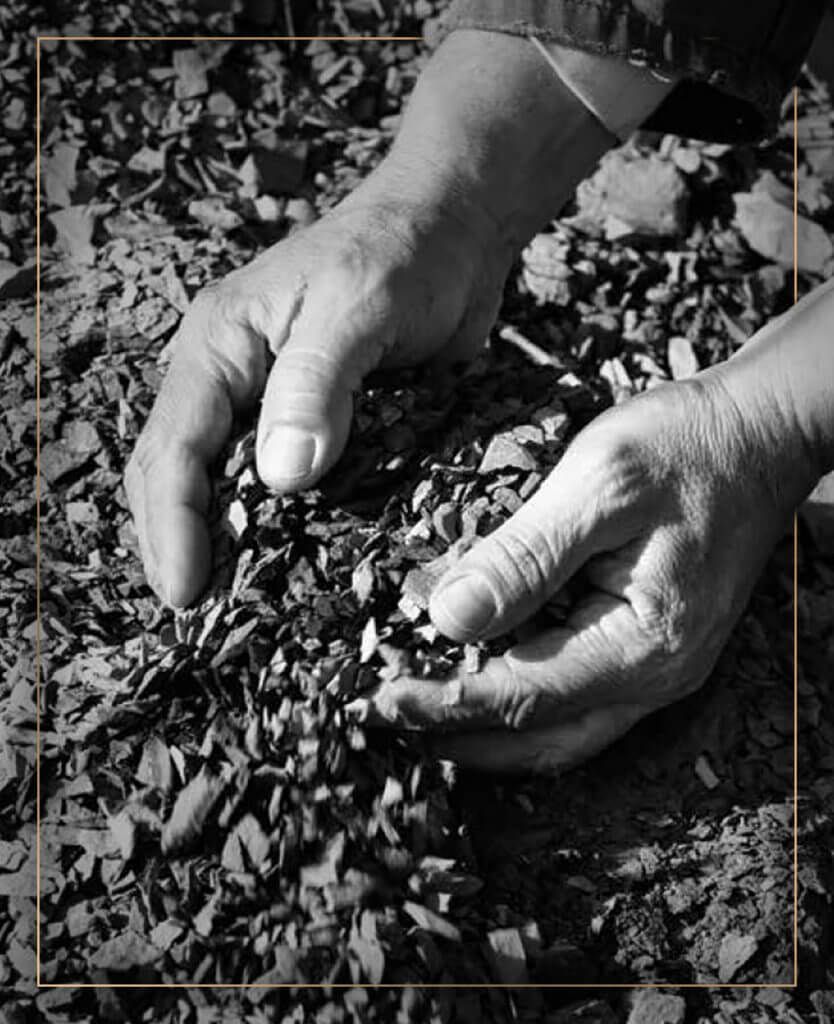
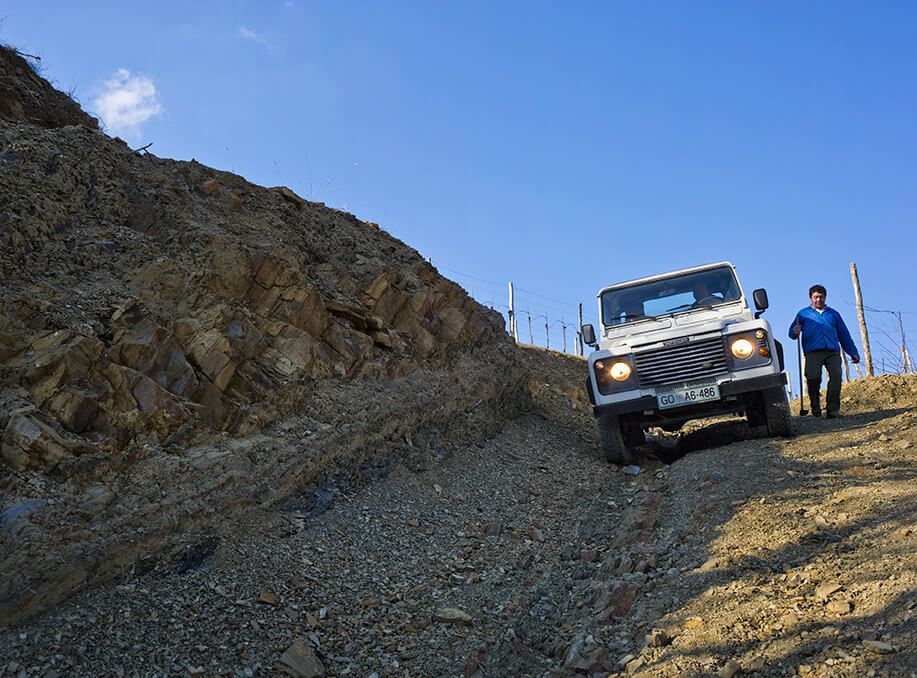
MARL


These ideal conditions are given by the marl, a soil rich in minerals typical of this hilly landscape, the region’s climate and its proverbially hard-working people.

IN THE VINEYARD


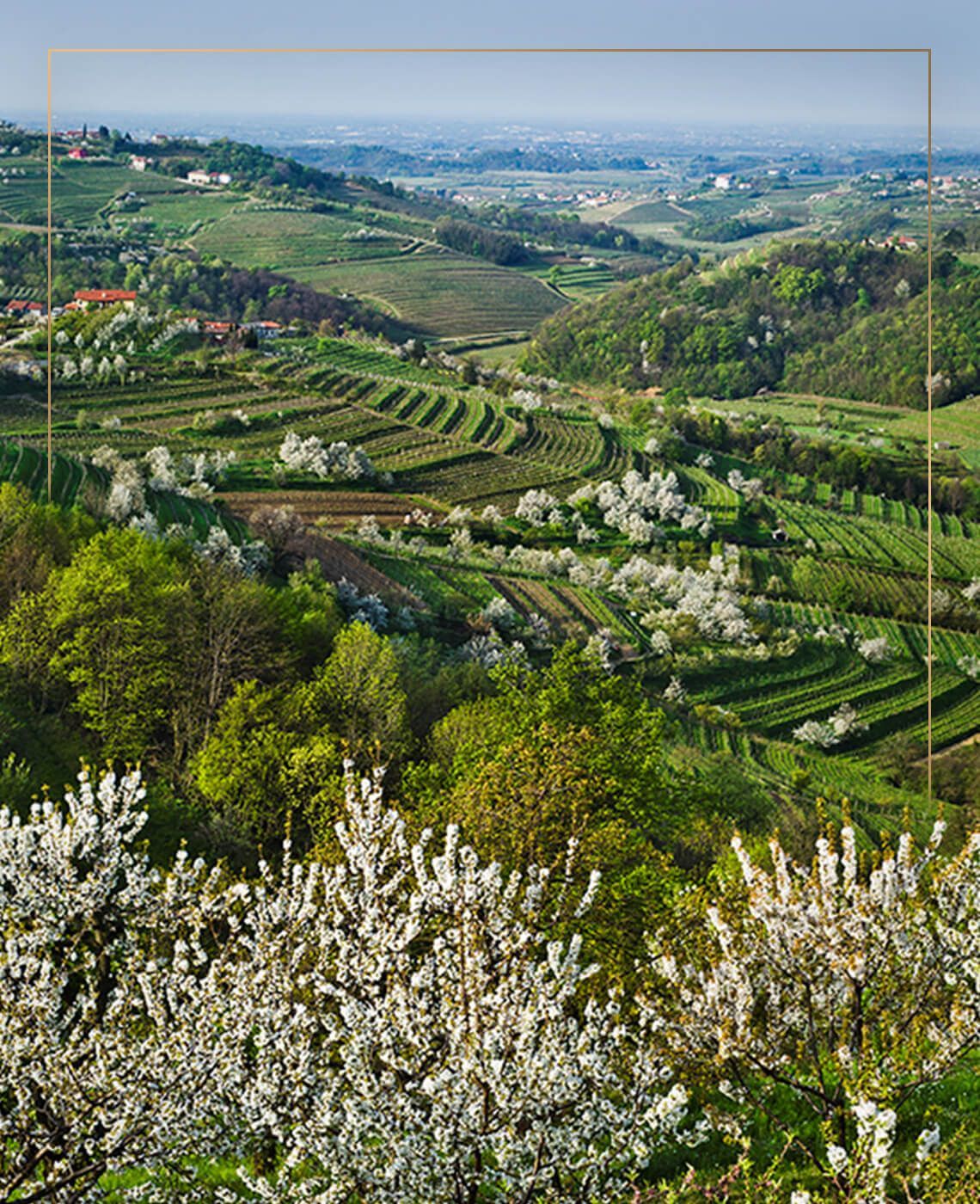
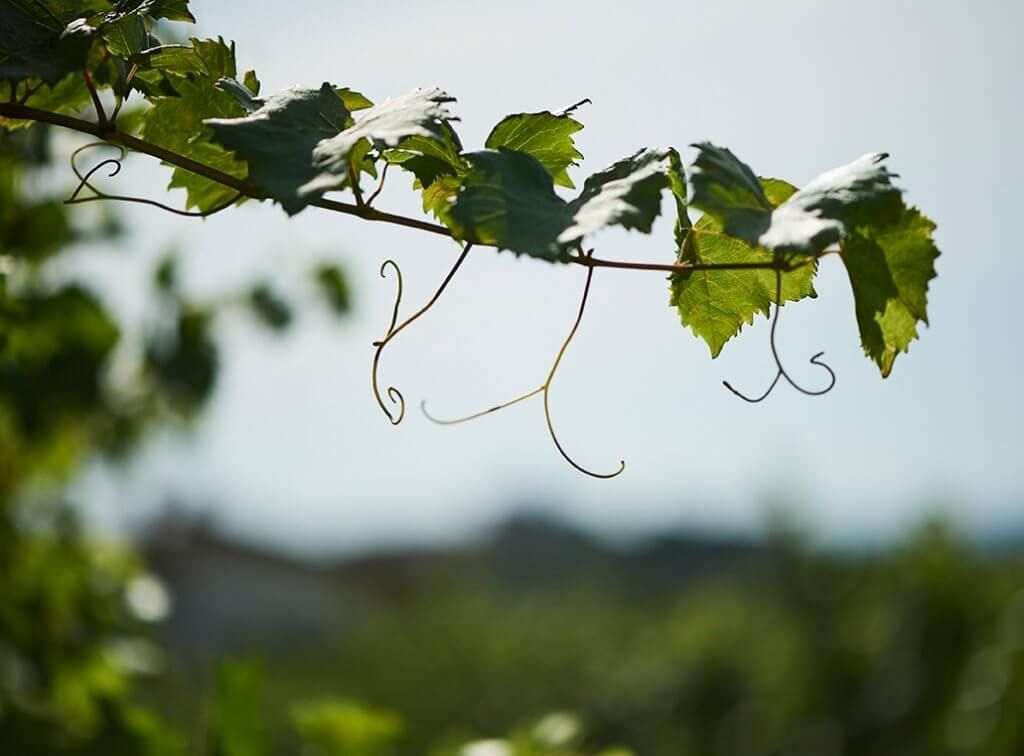
Terraced vineyards on sunlit slopes allow for mature and well-structured, yet elegant wines, appreciated by both experts at international competitions and wine connoisseurs.

IN THE VINEYARD


Terraced vineyards on sunlit slopes allow for mature and well-structured, yet elegant wines, appreciated by both experts at international competitions and wine connoisseurs.

OLD VINEYARDS


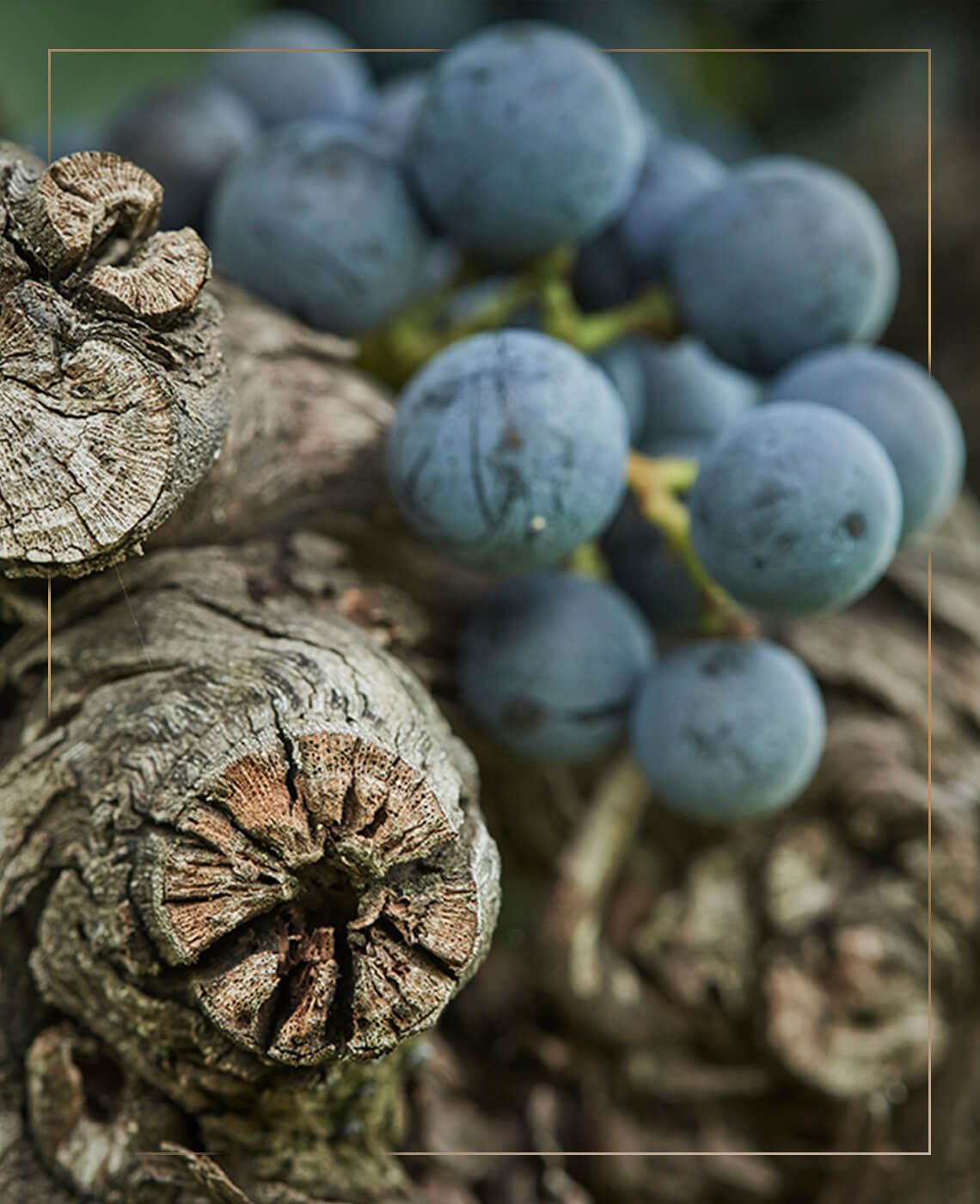
Great wines are the result of carefully selected vineyards, a passion for tradition and a clear vision. When talking about de Baguer and A plus wines, only the best grapes are good enough. This is achieved by cherry-picking the most suitably located and ideally aged vineyards (between 15 and 30 years).

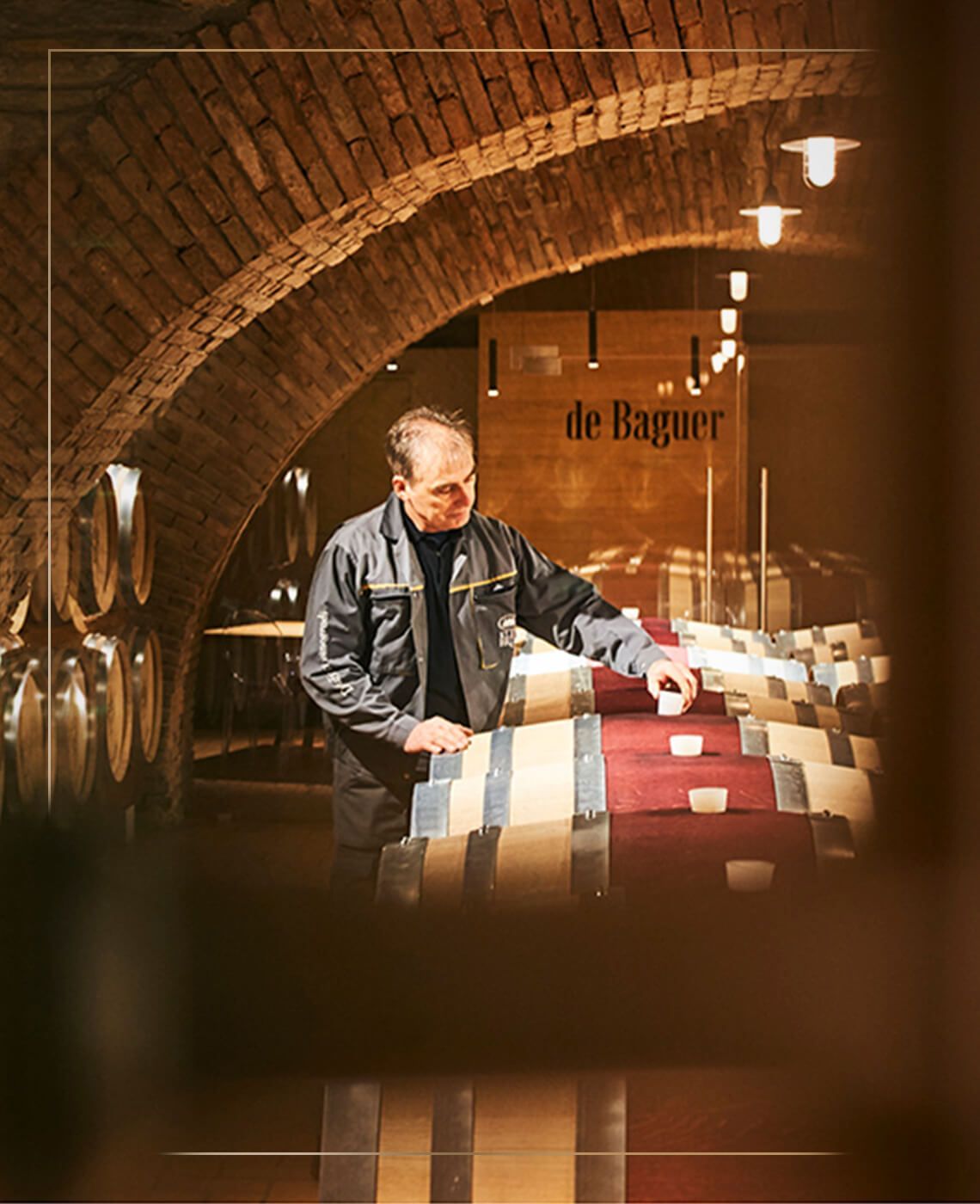
The grapes grown in Brda’s best sites, through the efforts of our member families, are then processed in the wine cellar using both tried and tested traditions as well as innovative methods. Excellent wines are the result of the mix of knowledge, talent and intuition, found in Klet Brda’s team of oenologists and cellarmen, under the tutelage of our chief oenologist, who is responsible for the consistently superior quality of de Baguer, A plus and Single Vineyard wines.

GRAPES FROM SELECTED SITES


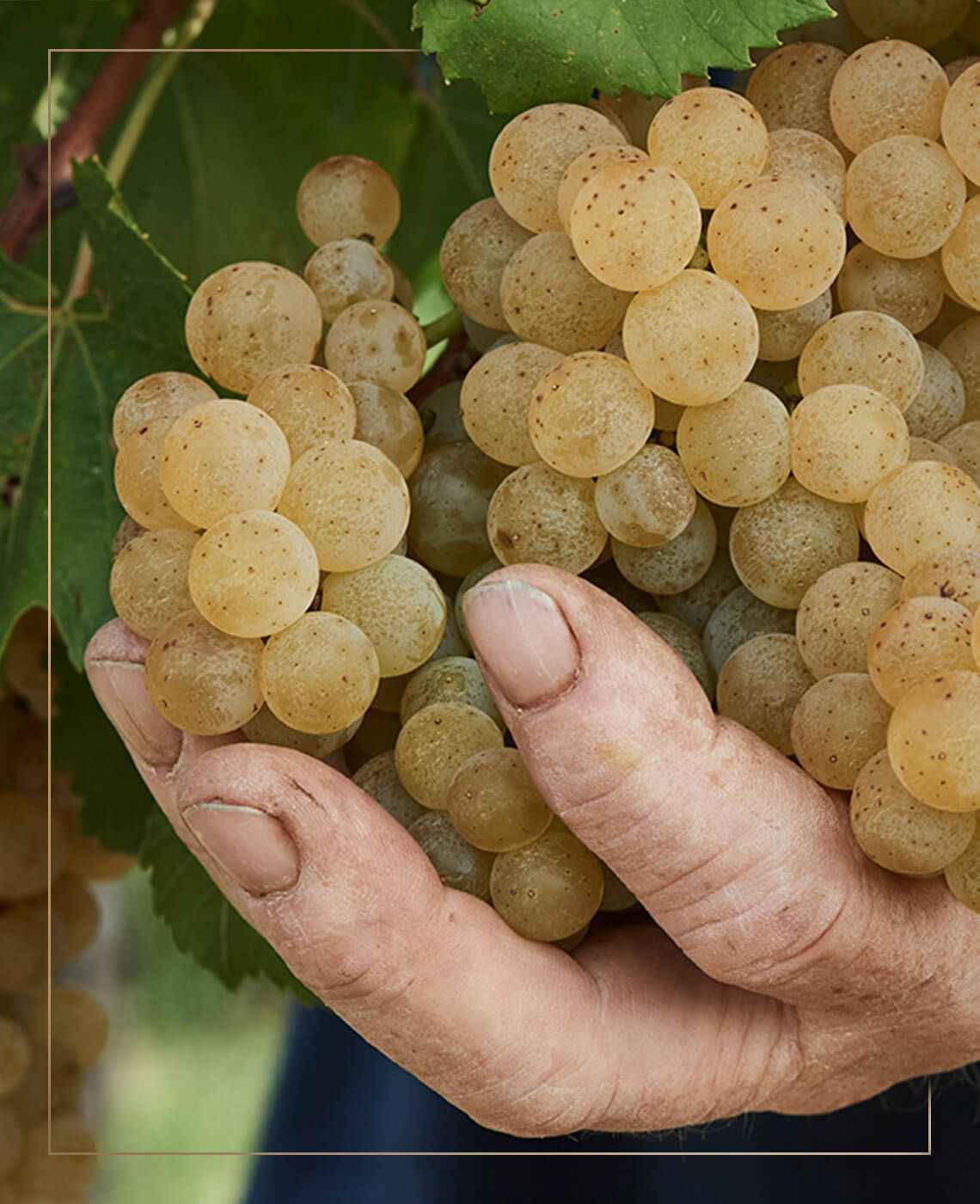
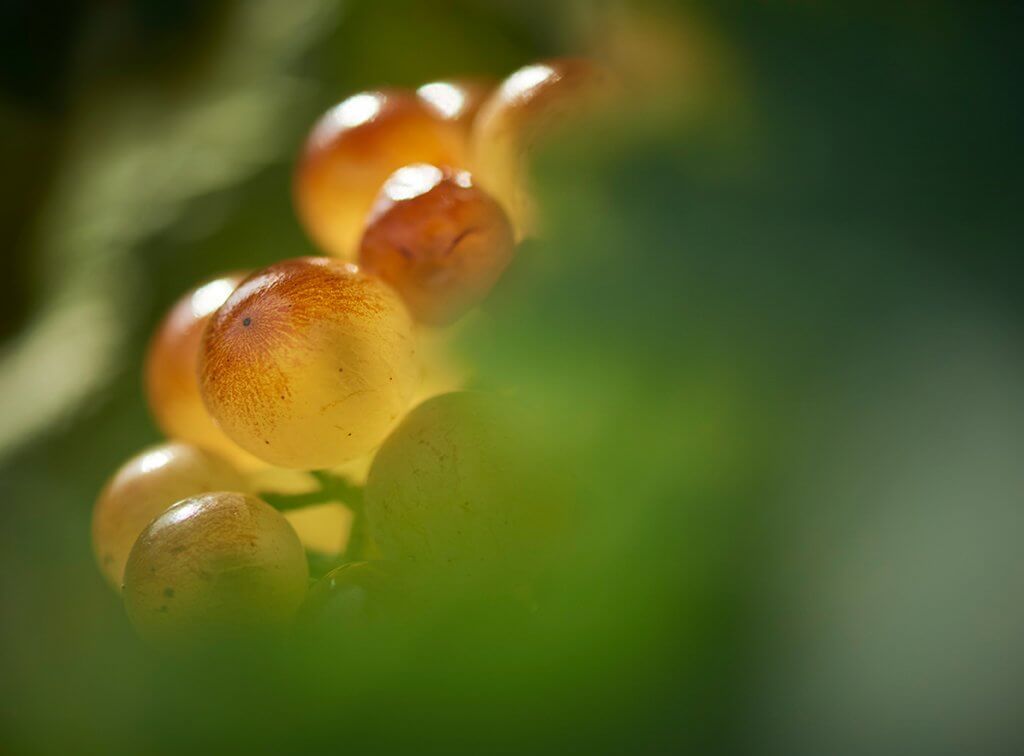
The vineyards are covered with grass, rich in minerals and organic matter and, above all, meticulously looked after with very low yields; as low as one kilo of grapes per vine.


With the help of family and friends, grapes are harvested at their optimal ripeness, put into crates and transported to the cellar within a few hours, which is a crucial step for the quality of wine.

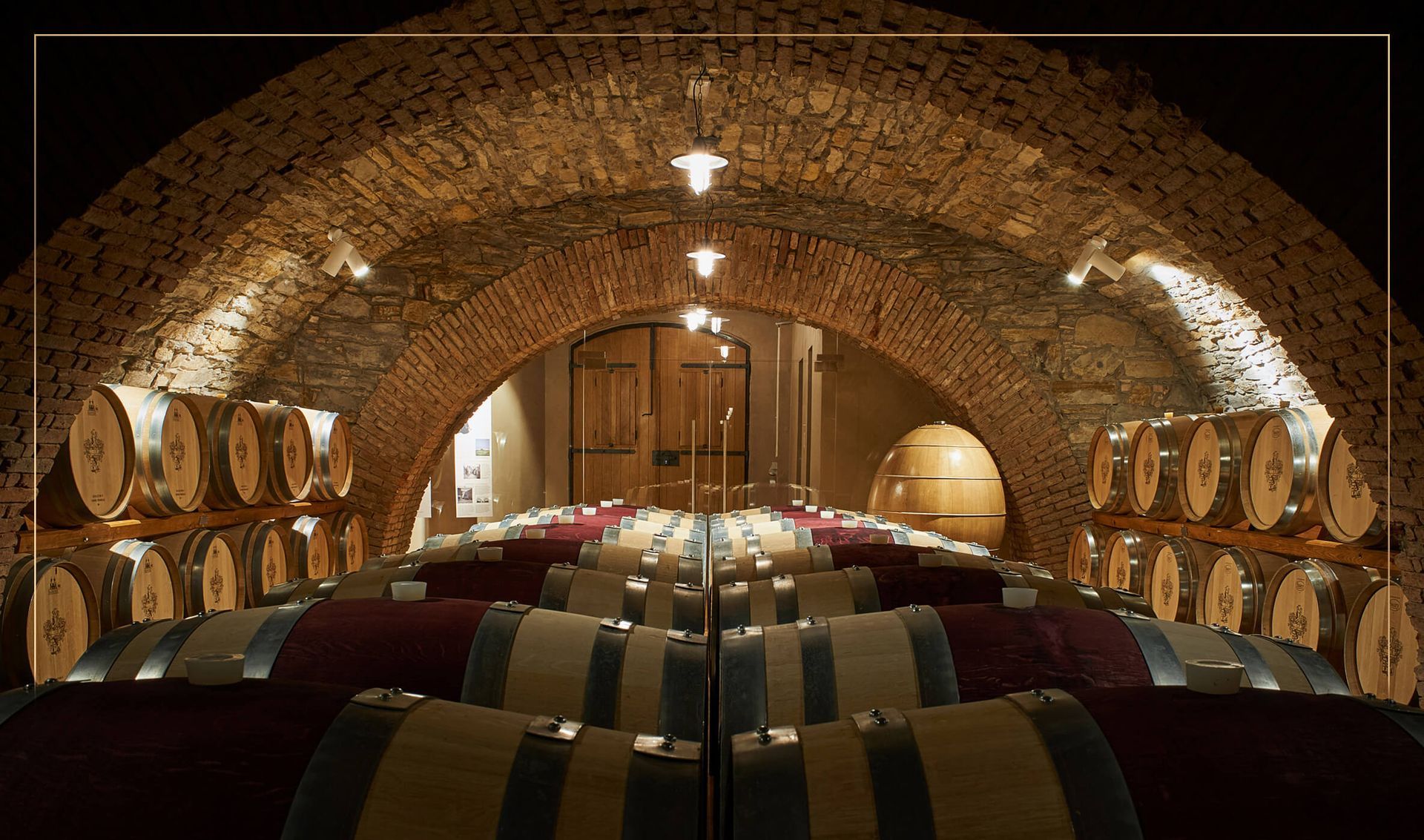
AGEING IN WOODEN BARRELS


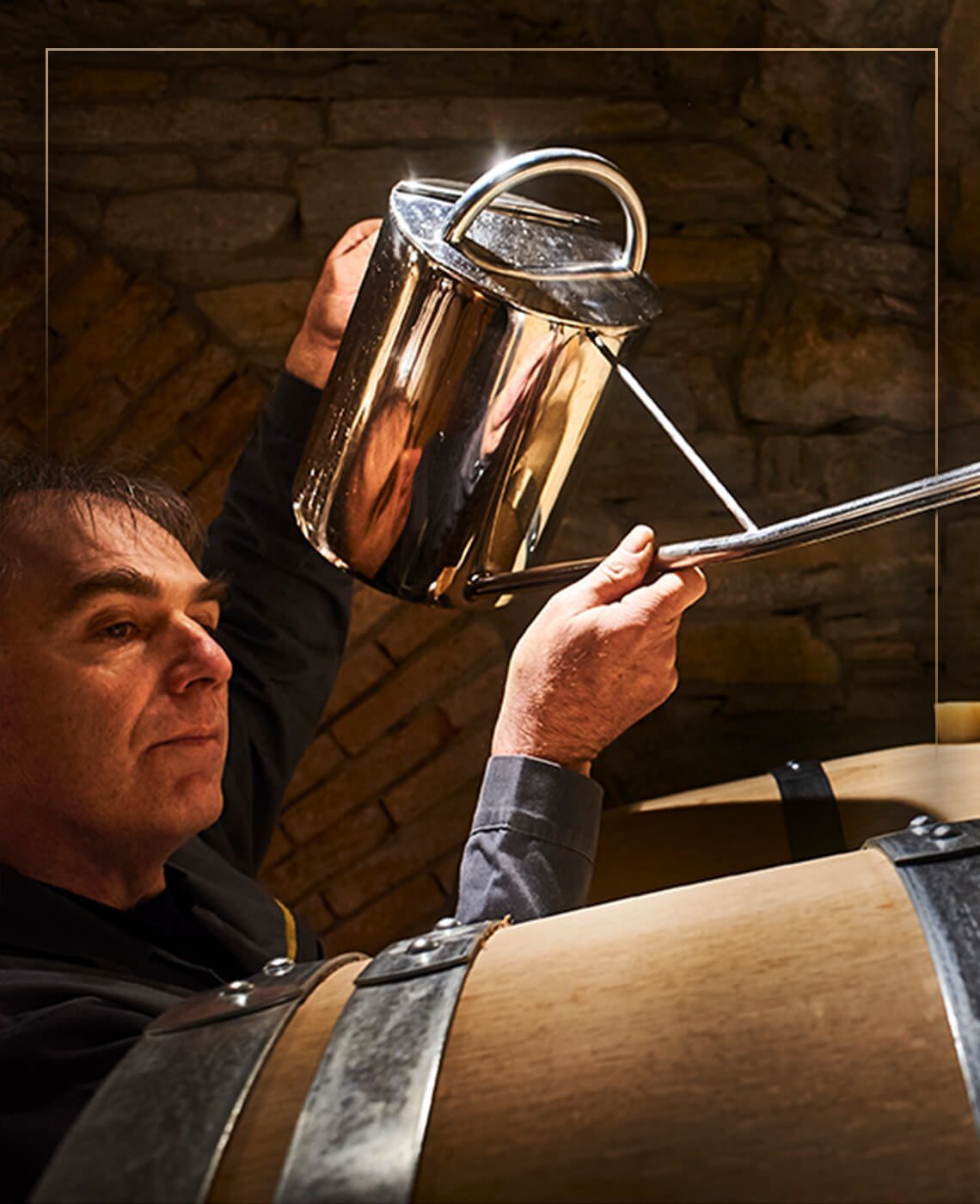
In the cellar, grapes are initially destemmed and crushed, then cooled and left to macerate. The next main steps include pressing, fermentation and ageing, with the latter taking place in wooden barrels and stainless-steel tanks. The contact time between wine and wood needs to be precisely determined based on the grape variety and the desired style of the wine. It is the task of our oenologist to decide on the duration of ageing in wooden barrels for each wine and vintage.

Only when the wine and wood reach perfect harmony is it bottled and left to settle for a few months before it is released to the market.